Is Uphill Trail Running Wrecking Your Heels?
Understanding Achilles Tendonitis on the Trails of Rifle Camp Park
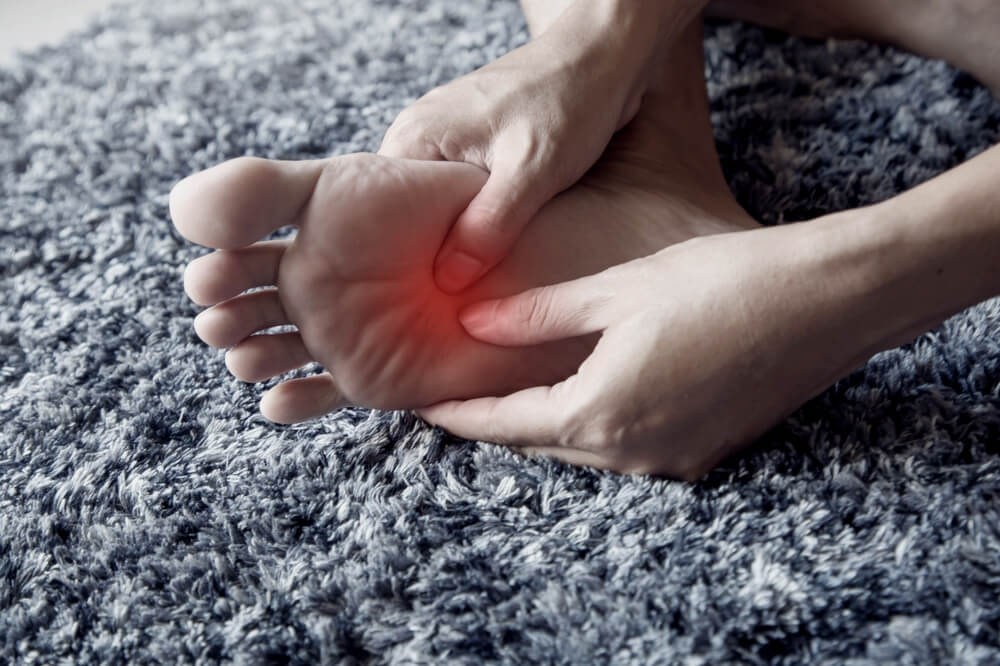
Woodland Park’s Rifle Camp Park is a favorite for endurance runners, but trading flat pavement for steep, rugged inclines drastically alters your mechanics. Running uphill forces your foot into a highly flexed position, placing an excessive load directly on the Achilles tendon. Doing this repetitively without warming up for at least five minutes creates micro-tears and stiff, burning morning heel pain.
Tackling steep, uneven trails forces your ankles to over-flex, placing massive, repetitive strain on the thick tendon behind your heel. Without proper heel elevation and structural support, this aggressive incline training quickly triggers microscopic tears, leading to painful and stubborn Achilles tendonitis. In this blog, Advanced Foot Care of NJ covers what you should know to keep moving without any strain or pain.
The Mechanical Stress of Incline Training
The Achilles tendon is the largest and strongest tendon in the human body, connecting your calf muscles to your heel bone. It acts as a powerful spring, absorbing energy when you land and releasing it to propel you forward.
- Running on a flat surface utilizes a relatively predictable range of motion. However, the moment you begin charging up the steep dirt paths of Rifle Camp Park, the mechanics change entirely.
- Your heel drops lower than your toes with every strike, forcing the Achilles tendon to stretch under tension before contracting to push your body weight uphill.
- This extreme demand drastically accelerates wear and tear.
Recognizing Achilles Tendonitis Early
The biggest mistake runners make is assuming chronic tendon pain is just normal post-workout muscle soreness. “Toughing it out” is the fastest way to turn a minor inflammation into a severe, chronic degeneration or a complete tendon rupture.
Be on the lookout for these critical symptoms:
- Noticeable stiffness and aching at the back of the heel, especially in the morning or after prolonged sitting.
- Pain that worsens specifically when climbing stairs or running uphill.
- Visible swelling or a thickened, bumpy area along the tendon itself.
- A sluggish, weak feeling in your calf when trying to push off your toes.
Safe Strategies for Uphill Running
If you want to keep conquering the local trails without sidelining yourself, you need to train intelligently:
- Gradual Progression: Never jump straight into aggressive incline training. Gradually introduce hills into your route to allow your tendons time to adapt.
- Dynamic Stretching: Static stretching before a run is ineffective. Perform dynamic calf raises and ankle circles to warm up the tissue before hitting the trail.
- Check Your Midsoles: Running shoes lose their structural shock absorption long before the tread wears out. Replace your trail runners every 300 to 500 miles.
Healing Your Heels with Advanced Care
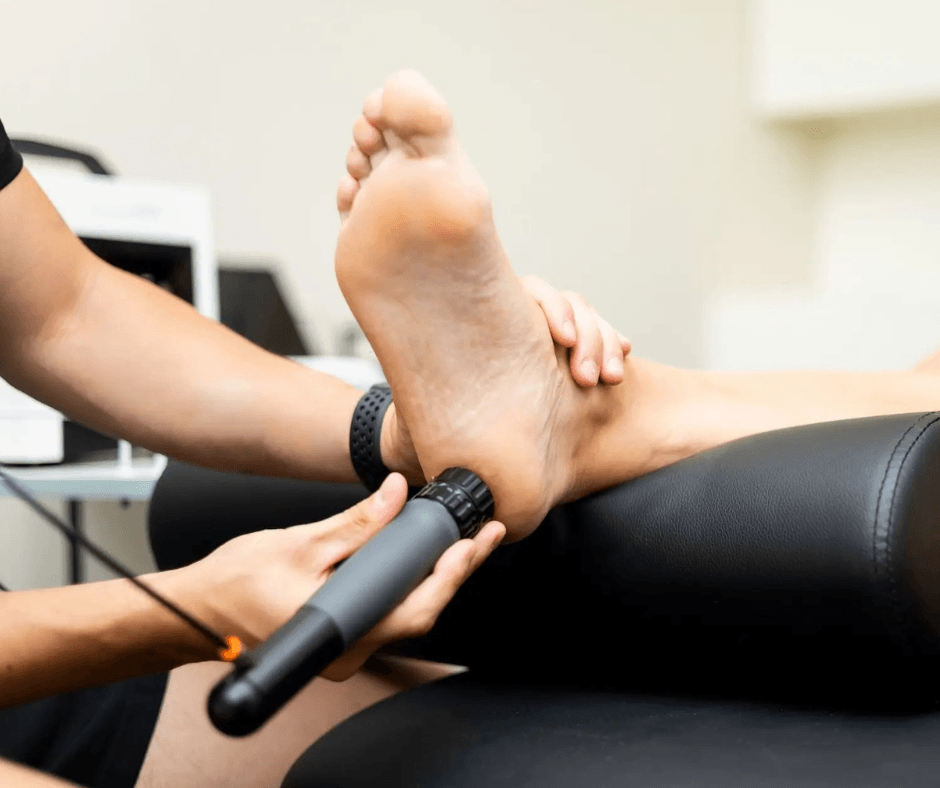
If rest and ice have failed to resolve the burning pain behind your heel, you require clinical intervention. With non-invasive tech and time-tested skill, we will build a recovery plan designed specifically to get you safely back to your active lifestyle.
At Advanced Foot Care of NJ, LLC, our doctor and staff proudly serve the communities of Little Falls, Cedar Grove, Verona, Stoney Road, Sandy Hill, Albion Place, and Great Notch. Contact us today to schedule an appointment!