How High Heels and Flat Shoes Cause Foot Pain (and What to Do About It)
We all have a favorite pair of shoes that we know we probably should not wear. From towering stilettos for a night out to completely flat slip-ons for running errands, fashion often dictates our footwear choices.
We know you are not going to throw away your favorite dress shoes. However, understanding exactly how extreme footwear alters your biomechanics is the first step to preventing long-term damage.
In this blog, Advanced Foot Care of NJ will explain the medical reality of what happens to your metatarsals, ankles, and arches when you wear high heels or completely flat shoes. You’ll also find tips that cover how to cope.
The High Heel Hazard: Metatarsal Overload and Ankle Instability
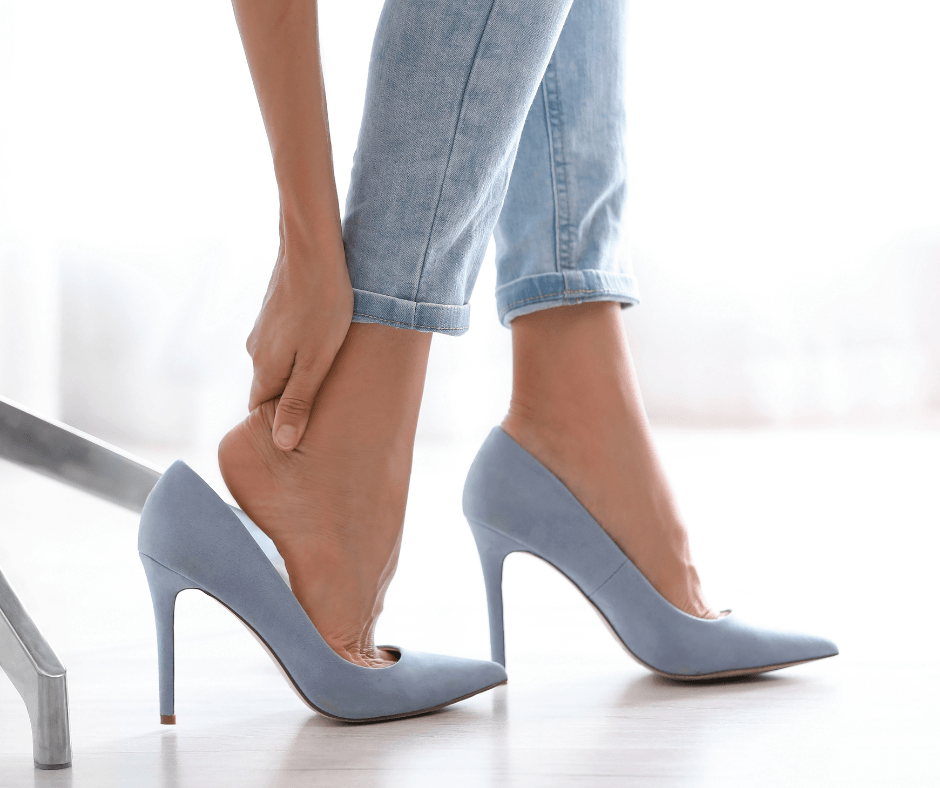
High heels fundamentally alter your center of gravity. By elevating your heel, you force your body to compensate in ways it was not designed to handle.
Metatarsal Crushing
When you wear a three-inch heel, you shift up to 75 percent of your total body weight directly onto the ball of your foot.
- This area houses your metatarsal bones. These long, delicate bones are designed to distribute weight dynamically across the entire foot, not to bear the entire load of your body statically.
- Concentrated pressure frequently leads to Metatarsalgia (severe burning pain in the ball of the foot), inflamed joint capsules, and pinched nerves known as Neuromas.
The Ankle Lever Effect
Heels also put your ankle in a highly unstable, downward-pointing position.
- Because your foot is elevated on a narrow spike or block, the shoe essentially acts like a mechanical lever.
- If you step on an uneven sidewalk crack, that lever snaps your ankle to the side with exponentially more force than a standard stumble.
- This is why high heels are a leading cause of severe lateral ankle sprains and torn ligaments.
The Flat Shoe Fallacy: Zero Support
If heels are bad, completely flat shoes must be good, right?
Unfortunately, the opposite extreme carries its own set of dangers.
- Footwear like ballet flats, thin flip-flops, and unsupportive fashion sneakers lacks a critical structural element: a rigid shank and arch support.
- Walking thousands of steps on unforgiving city concrete in completely flat shoes forces your arch to absorb the entire shock of impact.
- Without a midsole to catch your foot, your arch collapses with every stride.
This repetitive overpronation stretches the plantar fascia to its breaking point, causing intense morning heel pain and severe Achilles tendon strain.
The Shoe Swap Strategy
We believe in balance. You can still wear the shoes you love, provided you categorize them correctly. You simply need to separate your footwear into two distinct categories:
Transportation Shoes and Event Shoes.
Transportation Shoes
These are supportive, structured sneakers or orthotic-friendly walking shoes.
- You wear these during your commute, while walking through the airport, or when navigating from the parking garage to your destination.
Event Shoes
These are your stilettos, dress loafers, and unsupportive flats.
- You only put these on when you arrive at the venue, the wedding, or the restaurant. Once the event requires heavy walking or standing, you swap them back out.
- By limiting your exposure to extreme footwear, you give your metatarsals a break and drastically reduce your risk of a catastrophic ankle sprain.
Protect Your Foundation
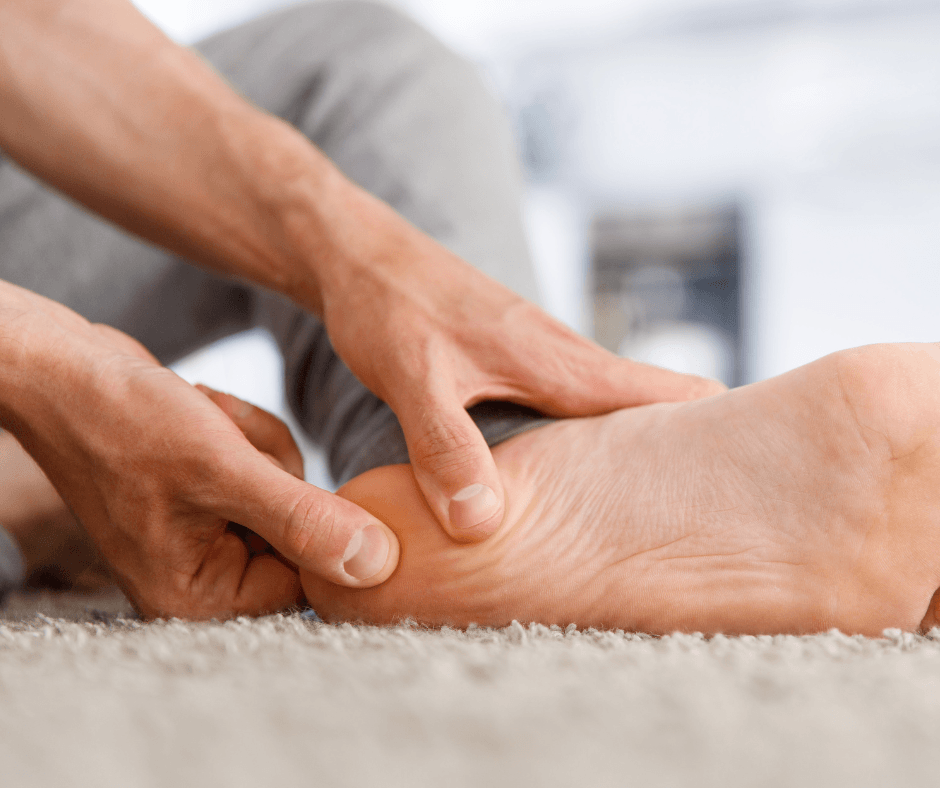
If your favorite shoes have already left you with a lingering burning sensation in the ball of your foot or a weak ankle, do not try to walk it off. Schedule a biomechanical evaluation today so we can heal the tissue and keep you moving comfortably in the shoes you love.
At Advanced Foot Care of NJ, LLC, our doctor and staff proudly serve the communities of Little Falls, Cedar Grove, Verona, Stoney Road, Sandy Hill, Albion Place, and Great Notch. Contact us today to schedule an appointment!