How to Run Faster (And Hurt Less After)
Surviving the Garret Mountain Run
If you are training for the Police Academy in our area, you already know Garret Mountain. Running the trails and tackling the elevation of the Garret Mountain Reservation is a local rite of passage. But while your lungs might adapt to the elevation, your lower body takes an absolute beating.
Mountain running introduces an entirely different set of physics to your stride. You aren’t just dealing with impact; you are dealing with uneven terrain, steep inclines that stretch your Achilles to its limit, and sharp declines that slam your toes into the front of your shoes.
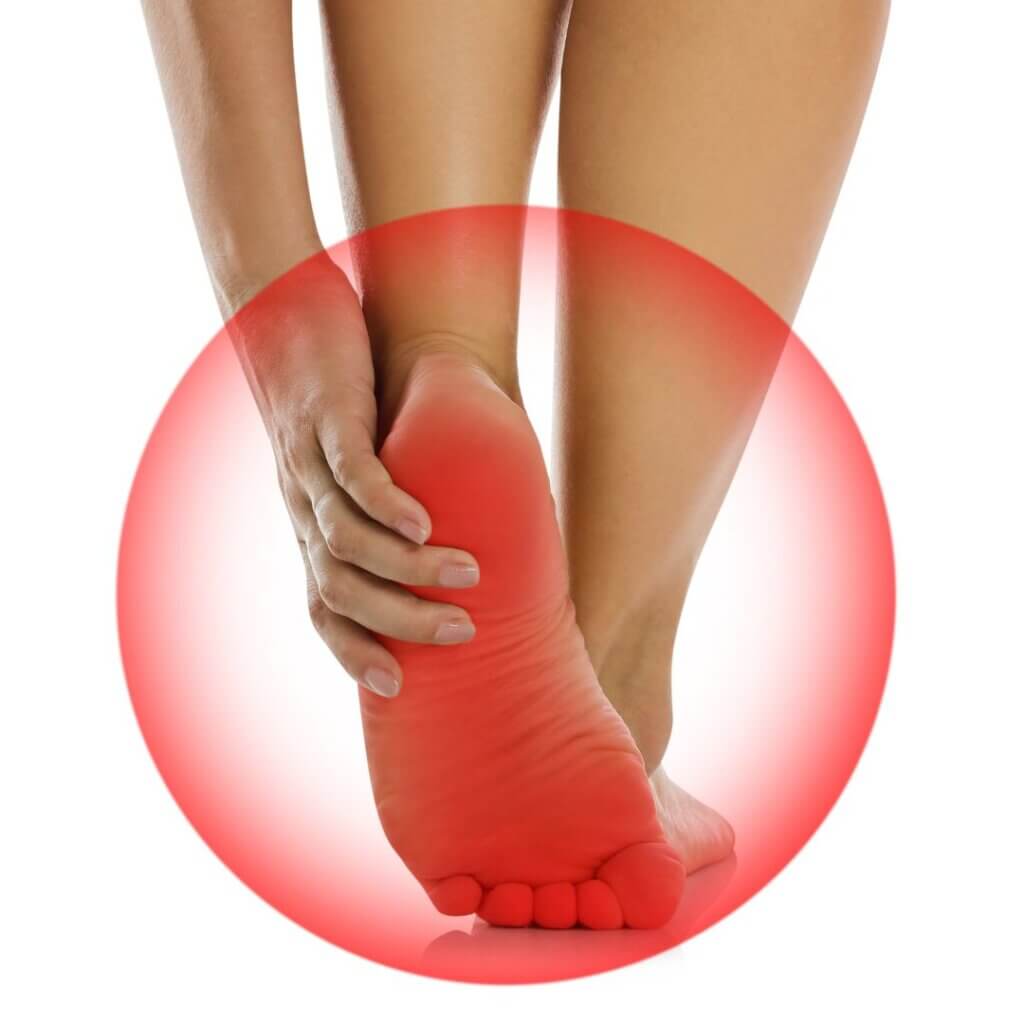
Every season, Advanced Foot Care of NJ sees a wave of recruits limping into our office with the same injuries: Plantar Fasciitis, Achilles Tendonitis, and severe Shin Splints. When this happens, we always start with one specific question…
“Did You Stretch?”
Whenever an athlete sits in my treatment chair with a painful heel or a burning shin, the very first question I ask is:
“Did you stretch?”
Usually, they nod. But then I ask the real questions:
“How? And when?”
That is when the silence hits. Or the answers make us wince!
Here is what happens when you run the inclines of Garret Mountain:
- The Climb: Running uphill forces you onto the balls of your feet. This constantly shortens and contracts your calf muscles and your Achilles tendon.
- The Aftermath: If you do not stretch those muscles back out after your run while the tissue is still warm, they cool down in that shortened, tight position.
- The Injury: Overnight, that tight calf acts like a winch, pulling violently on your heel bone and the bottom of your foot. When you take your first step out of bed the next morning, the tissue tears.
The Golden Rule: You must perform dynamic stretches (leg swings, high knees) before you run to wake the muscles up, and static stretches (holding a deep calf stretch against a wall for 30 seconds) after you finish.
When Stretching Isn’t Enough: The “Fast-Track” Recovery
If you ignored the stretching rule for a few weeks, you likely have chronic inflammation or micro-tears that stretching alone cannot fix.
Even if you’re not an academy trainee, few people can afford to spend six weeks resting in a walking boot. To bridge that gap, we utilize advanced, non-surgical regenerative therapies to accelerate your body’s natural healing timeline.
- Radial Shockwave Therapy (ESWT) If your tendonitis has turned into stiff, stubborn scar tissue, we use Shockwave Therapy.
- This device pulses high-energy acoustic sound waves directly into the injured heel or shin. It physically breaks up the painful calcification and tricks the body into sending a massive rush of fresh blood flow to the “stagnant” injury.
- EMTT (Extracorporeal Magnetotransduction Therapy)
- For deep, acute inflammation, we turn to EMTT. Unlike Shockwave (which uses sound), EMTT uses high-power electromagnetic pulses.
- It penetrates deep into the foot and ankle without touching the skin. Magnetic energy actually recharges the electrical potential of your damaged cells, giving them the metabolic energy they need to shut down inflammation and repair tissue rapidly.
Don’t Let the Mountain Win
If you are dealing with a nagging ache that is slowing your pace, don’t wait for it to become a stress fracture. Let us check your mechanics, address the inflammation with modern technology, and get you back on the trail safely.
At Advanced Foot Care of NJ, LLC, our doctor and staff proudly serve the communities of Little Falls, Cedar Grove, Verona, Stoney Road, Sandy Hill, Albion Place, and Great Notch. Contact us today to schedule an appointment!