Unmasking Tarsal Tunnel Syndrome: When Your Heel Pain Is Not Plantar Fasciitis
When you experience a sharp, throbbing ache in your heel, the internet will almost certainly tell you that you have plantar fasciitis. While that is the most common culprit, treating a compressed nerve like a torn ligament will result in months of wasted time, prolonged agony, and potential permanent nerve damage.
Understanding the mechanical difference between a structural ligament strain and a pinched nerve is the critical first step to securing the correct diagnosis and finally achieving pain-free mobility. Advanced Foot Care of NJ explains the differences below.
The Anatomy of the Trap
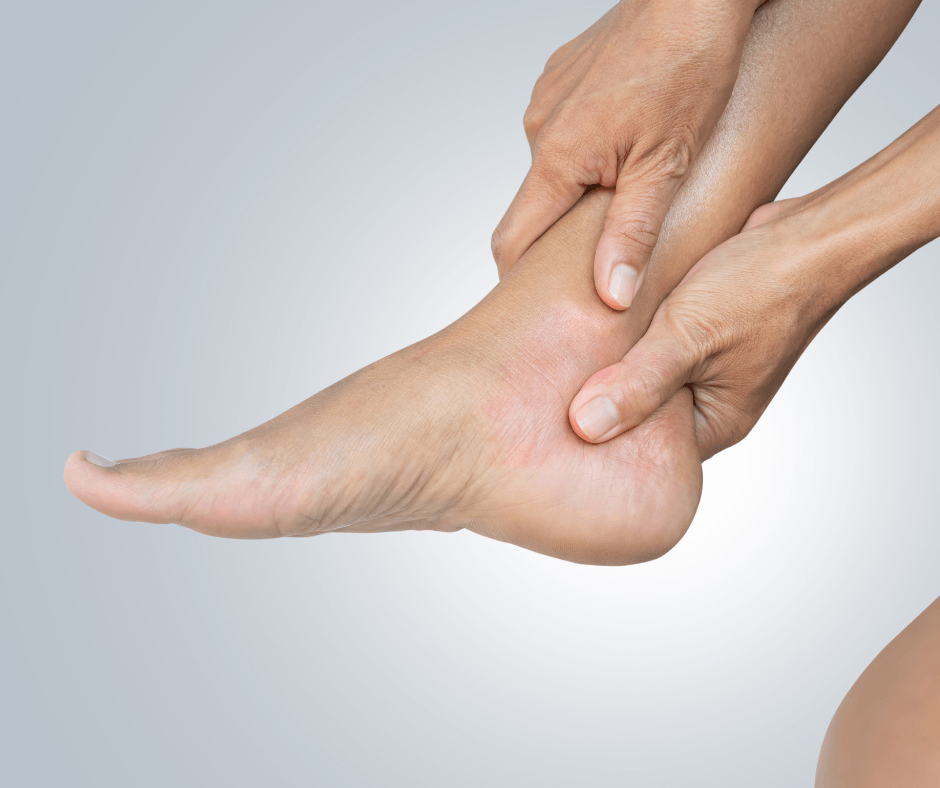
To understand Tarsal Tunnel Syndrome, you must look at the anatomy of your inner ankle.
- The “tarsal tunnel” is a narrow, bony passageway located just behind the bump on the inside of your ankle (the medial malleolus).
- This tunnel acts as a highly congested biological highway, housing crucial arteries, tendons, and the posterior tibial nerve.
- The entire structure is capped by a thick, unyielding band of tissue called the flexor retinaculum.
Because this space is so tightly packed, there is zero room for error.
If anything causes swelling within this tunnel (such as severe flat feet causing the ankle to roll inward, a swollen tendon, or an inflamed varicose vein), the posterior tibial nerve gets physically crushed against the bone.
Spotting the Neurological Red Flags
How can you tell if your heel pain is structural or neurological? Pay close attention to the specific type of pain you are feeling. Tarsal Tunnel Syndrome presents with distinct neurological red flags that standard ligament injuries do not share:
- The “Pins and Needles” Effect: Unlike the dull ache or sharp stabbing of a torn ligament, nerve compression frequently causes radiating tingling, burning, or a sensation of “electric shocks” shooting from the inside of the ankle down into the arch and heel.
- Numbness: You may experience isolated patches of numbness on the bottom of your foot or toes, feeling like your foot has “fallen asleep” and will not wake up.
- The Restless Night: Plantar fasciitis notoriously hurts the most during your first steps in the morning. Conversely, Tarsal Tunnel pain often worsens at night or after standing for long periods, causing a throbbing burn that makes it difficult to sleep.
- The Tinel’s Sign: If you lightly tap on the inside of your ankle (over the tarsal tunnel) and it reproduces a sudden, electric tingling down your foot, it is a strong clinical indicator of a pinched nerve.
Definitive Clinical Interventions
Ignoring a compressed nerve forces it to operate under constant trauma, which can eventually lead to irreversible nerve death.
Once properly diagnosed at our clinic, we deploy targeted interventions to open the passageway and relieve the pressure.
- Biomechanical Re-Alignment: The leading cause of tarsal tunnel compression is severe overpronation (flat feet).When your arch collapses inward, it physically stretches and tightens the tarsal tunnel. We use prescription custom orthotics to act as a rigid mechanical scaffold, locking the ankle into a neutral position and instantly relieving the tension on the nerve.
- Targeted Corticosteroid Injections: To reduce the swelling of the tissues inside the tunnel, a precisely guided corticosteroid injection can shrink the surrounding inflammation, giving the nerve the biological room it needs to breathe and heal.
- Advanced Decompression Surgery: In severe cases where the nerve is entrapped by a physical mass (like a cyst) or prolonged swelling has caused irreversible scarring, surgical intervention may be required.
- Tarsal tunnel release is a highly successful procedure where we physically divide the flexor retinaculum, permanently expanding the tunnel and freeing the nerve.
If standard treatments have failed you, it is time for a specialist to evaluate your neurological health. Contact us today, and we’ll help you get back to walking comfortably.
At Advanced Foot Care of NJ, LLC, our doctor and staff proudly serve the communities of Little Falls, Cedar Grove, Verona, Stoney Road, Sandy Hill, Albion Place, and Great Notch. Contact us today to schedule an appointment!