Are “Barefoot Shoes” Actually Good for Kids? A Pediatric Footcare Guide
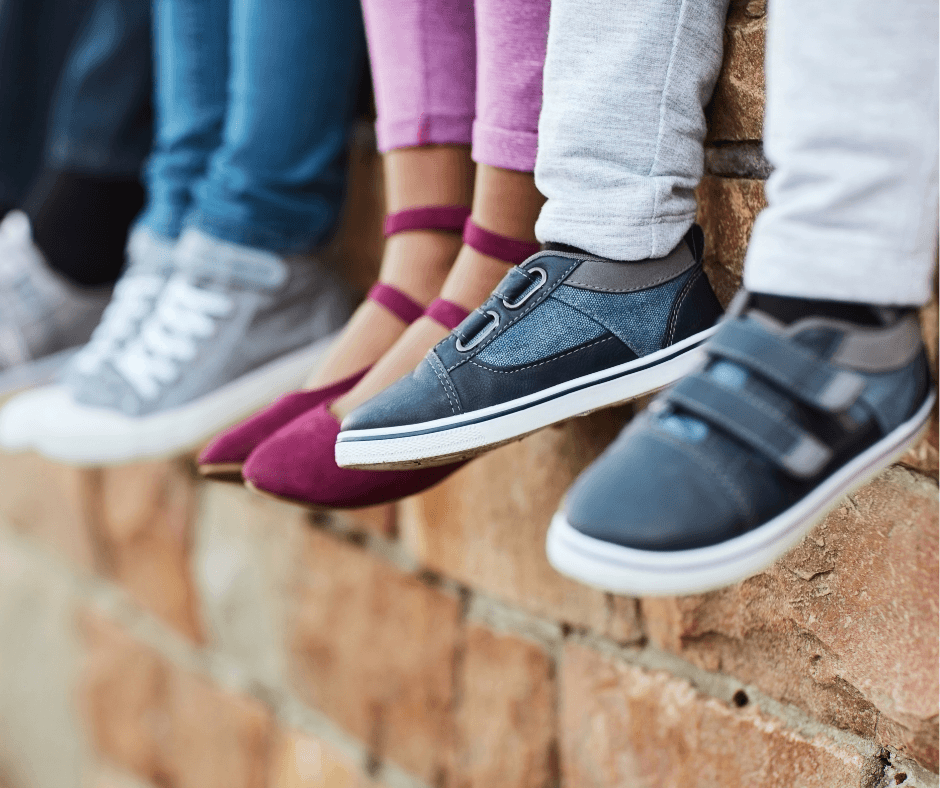
If you have scrolled through TikTok or Instagram parenting feeds recently, you have likely seen the “barefoot shoe” movement. The days of putting toddlers in stiff, miniature versions of adult running shoes are fading. Instead, a new wave of wellness influencers and pediatric physical therapists are aggressively promoting ultra-flexible, zero-drop shoes with massive toe boxes.
Which begs the question: is the barefoot shoe trend a legitimate biomechanical upgrade for your child, or just another internet fad? For this blog, Advanced Foot Care of NJ explains what the science says, why the trend is going viral, and when a traditional, supportive shoe is medically advisable.
The Science of Growing Feet
When a child is born, their foot is primarily made of soft cartilage, not hardened bone.
- It takes years for the bones in the foot to fully ossify and for the arch to develop its structural integrity.
- Because a toddler’s foot is so malleable, the shoes they wear directly influence how those bones shape themselves over time.
Why the “Barefoot” Trend is Going Viral
The core argument behind the barefoot shoe movement is that feet were designed to move without restriction.
A true “barefoot” shoe typically features three things:
- A Wide Toe Box: This allows the toes to naturally splay outwards for balance, rather than being squeezed into a point.
- A Flexible Sole: The shoe can easily fold in half, allowing the intrinsic muscles of the foot to grip the ground and build strength.
- Zero Drop: The heel and the toes are at the same height, preventing the Achilles tendon from chronically shortening.
For a healthy, typically developing toddler who is just learning to walk, experts largely agree with this trend. Highly flexible shoes allow the neurological pathways between the feet and the brain to communicate effectively, establishing strong balance and natural arch development.
When Structured Shoes Are Actually Necessary
While the barefoot movement is excellent for general development, it treats every child’s foot as identical. This is where internet trends collide with clinical reality.
- If your child has an underlying biomechanical issue, putting them in an ultra-thin, zero-drop shoe on hard, flat surfaces (like school hallways or asphalt) can lead to pain and injury!
You should skip the barefoot trend and seek a professional podiatric evaluation if your child experiences any of the following:
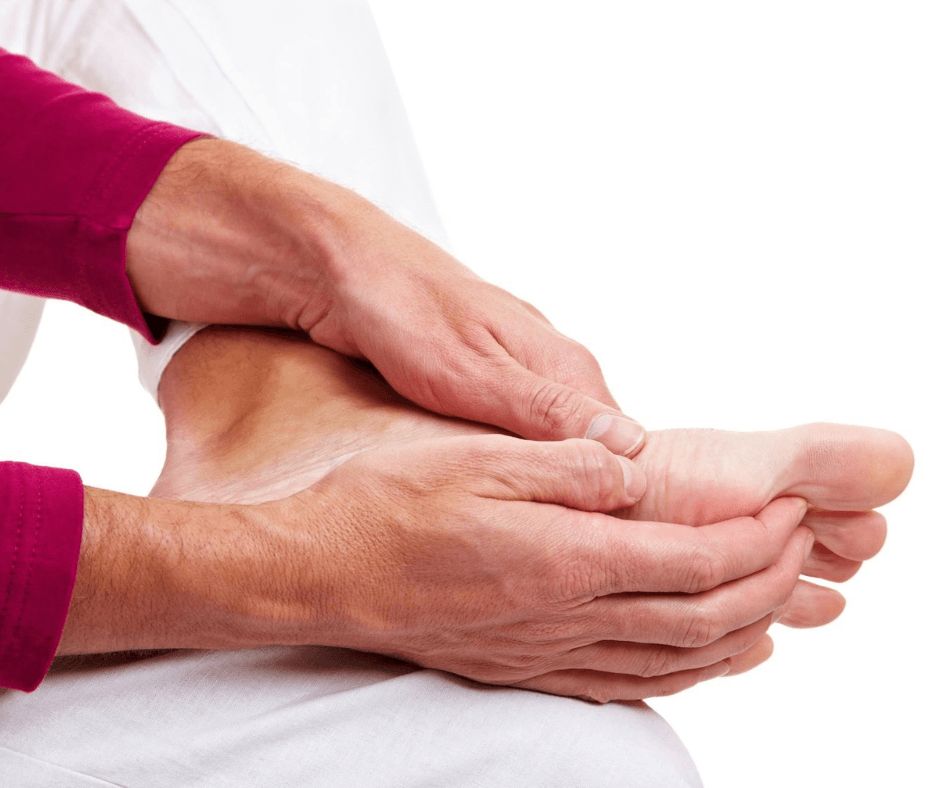
- Sever’s Disease (Heel Pain): If your active child (usually between ages 8-14) complains of sharp heel pain during sports, they are likely experiencing inflammation of the growth plate. A zero-drop shoe will pull heavily on a tight Achilles tendon, making this pain substantially worse. They need a temporary heel lift and structured shock absorption.
- Severe Flat Feet: While all toddlers appear flat-footed due to a natural fat pad, older children whose arches severely collapse inward (pronation) when bearing weight often require structured arch support or custom orthotics to prevent knee and hip misalignment.
- Hypermobility: Children with unusually flexible joints lack natural stability. A highly flexible shoe forces their joints to work overtime, leading to rapid foot fatigue and a reluctance to walk long distances.
A Local Podiatrist’s Verdict
The goal of any pediatric shoe is to protect the foot while encouraging natural strength. For the average toddler, flexible and wide is best. But the moment your child complains of foot pain, trips excessively, or asks to be carried more than usual, it is time to pivot away from viral trends and seek a definitive structural diagnosis.
You can find more information in the video section of our site. Featuring Dr. Joshi himself, these clips are perfect when you need quick, clinical advice before placing a shoe order!
At Advanced Foot Care of NJ, LLC, our doctor and staff proudly serve the communities of Little Falls, Cedar Grove, Verona, Stoney Road, Sandy Hill, Albion Place, and Great Notch. Contact us today to schedule an appointment!