How to Know When Your Child is Ready for Pointe Shoes
For a young ballet dancer, earning their first pair of pointe shoes is a major milestone. It represents years of hard work, dedication, and technical progression at the studio. But while it is an incredibly exciting time, transitioning to pointe work too early can have lasting consequences for a child’s developing feet.
At Advanced Foot Care of NJ, Dr. Anant Joshi frequently works with young athletes from across Passaic County. When the parents ask, “Is my child ready for pointe?”, the answer goes far beyond just their age or how many years they have been dancing. Here is what parents and dance instructors need to know about the anatomical demands of pointe work (and how to prevent lasting injuries, too).
Why Age Isn’t the Only Factor
Many dance studios use age 11 or 12 as a general benchmark for starting pointe. While this is a helpful guideline, every child develops physically at their own pace.
- A child’s foot contains growth plates (areas of developing cartilage tissue near the ends of long bones). In young dancers, these plates are still open and actively growing.
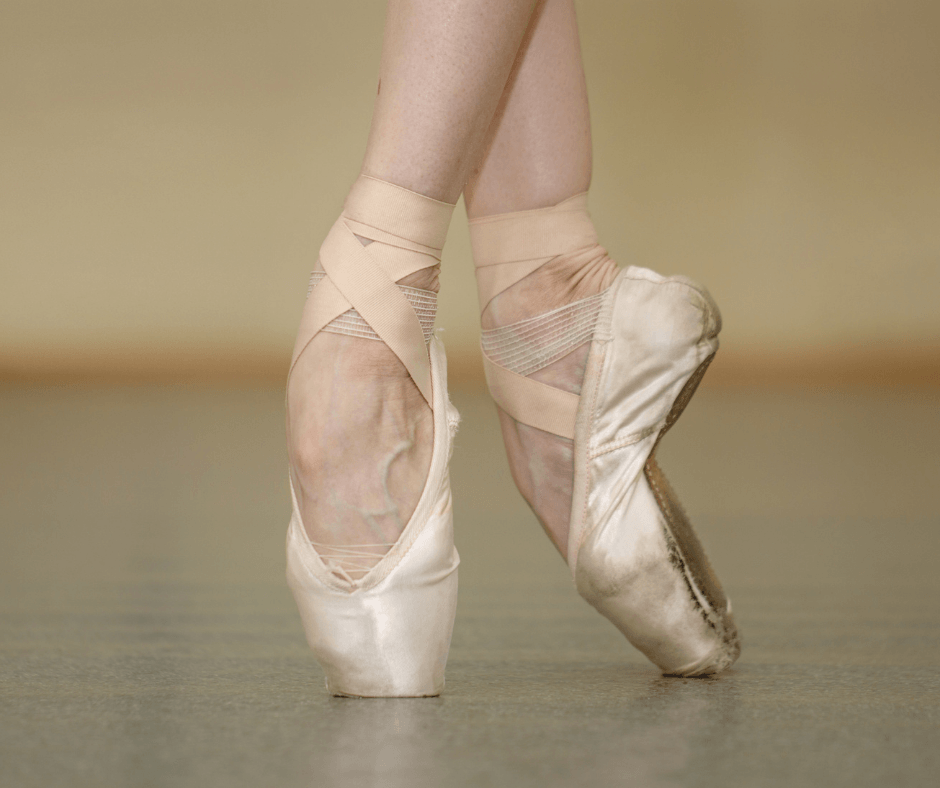
- When a dancer goes up on pointe, they are placing up to four times their body weight directly onto the tips of their toes.
- If the growth plates haven’t adequately hardened (fused), this pressure can permanently alter the structural development of the foot.
3 Signs Your Dancer May Need More Time
Even if a dancer has reached the minimum age requirement at their studio, their kinetic chain might need a little more time to build the necessary strength.
Watch out for these three red flags during standard ballet classes:
- “Sickling” or Weak Ankles
If a dancer’s ankles frequently roll outward or inward (sickling) during relevé, they do not yet have the core ankle stability required to safely support themselves on the much smaller block of a pointe shoe.
- Persistent Arch Pain
If your child frequently complains about arch cramping, heel pain, or shin splints after wearing standard flat slippers, the localized muscles in their feet are already fatigued and not ready for advanced weight-bearing.
- Limited Toe Flexibility
Pointe requires extreme flexibility in the foot and ankle, but specifically in the big toe joint. If a child lacks the natural range of motion to push fully over the box of the shoe, they will compensate by bending their knees or straining their lower back.
The Risks of Rushing Pointe Work
Pushing a dancer into pointe shoes before their skeletal structure is ready isn’t just about temporary pain; it can cause lifelong structural damage.
Common injuries associated with premature pointe work include:
- Severe Bunions and Hammertoes: Forcing soft, developing bones into a rigid, narrow toe box can permanently deform the alignment of the toes.
- Stress Fractures: Repeated impact on unfused bones frequently leads to hairline fractures in the metatarsals (the long bones of the foot).
- Chronic Tendinitis: Overworked, underdeveloped tendons at the back of the ankle (Achilles) can become chronically inflamed, potentially benching a dancer for an entire competition season.
Book a Pre-Pointe Podiatry Assessment
You don’t have to guess if your child’s feet are structurally ready. We highly recommend a Pre-Pointe Podiatry Assessment before heading to the dance supply store.
During this brief evaluation at our Woodland Park office, Dr. Joshi will assess your child’s growth plate development, ankle strength, and joint flexibility. We can provide you and your child’s dance teacher with medical clearance, peace of mind, and strengthening exercises to ensure a safe transition to pointe!
At Advanced Foot Care of NJ, LLC, our doctor and staff proudly serve the communities of Little Falls, Cedar Grove, Verona, Stoney Road, Sandy Hill, Albion Place, and Great Notch. Contact us today to schedule an appointment!