Why Are Foot Blisters Dangerous for People with Diabetes?
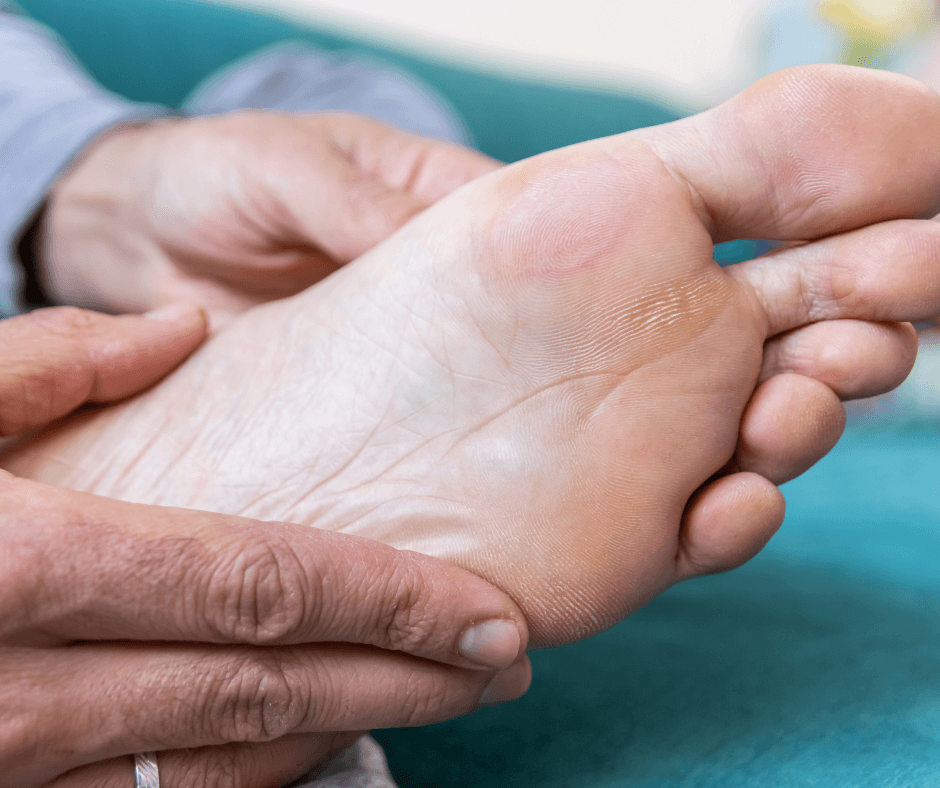
Imagine taking off your shoes and discovering a large blister on your heel. You don’t remember any rubbing, and strangely, it doesn’t hurt. For people with diabetes, foot blisters can be especially dangerous because they may go unnoticed.
If you have diabetes, the absence of pain may be the most concerning part.
November is National Diabetes Month, and at Advanced Foot Care of NJ, we want you to understand why a seemingly minor blister deserves attention before it becomes a serious wound.
The Blister You Never Felt Forming
Most blisters develop when repeated friction separates layers of skin and fluid collects beneath the surface.
Usually, rubbing hurts. You adjust your shoes or stop walking.
But diabetes can interfere with that warning system.
Over time, elevated blood sugar can damage peripheral nerves, causing neuropathy. When you lose protective sensation, your feet may not reliably detect pressure, friction, or injuries.
The result? A blister can form without you feeling it.
Why Diabetes Changes the Stakes
Not everyone with diabetes develops neuropathy or circulation problems. But when these complications occur, even a small injury can become more serious.
Diabetes can contribute to peripheral arterial disease, which reduces blood flow to the feet and may make wounds harder to heal.
Together, nerve damage and poor circulation can create two risks:
- Delayed detection: You may keep walking on an injury because you don’t feel it.
- Difficult healing: Reduced blood flow and elevated blood sugar can complicate recovery and increase infection risk.
Understanding the connection between diabetes and foot health helps explain why an overlooked blister matters.
If the skin breaks, bacteria can enter. Without proper care, an injury may progress to a diabetic foot ulcer.
Found a Blister? Don’t Reach for a Needle!
Your first instinct might be to pop the blister and cover it with a bandage.
Please resist that temptation.
The skin over an intact blister helps protect against bacteria. Puncturing it yourself increases the risk of infection.
Instead:
- Stop the friction. Avoid the shoes or activities that caused the blister.
- Leave it intact. Don’t puncture, peel, or cut away the skin.
- Protect the area. Apply a clean, nonstick dressing without excessive pressure.
- Contact your podiatrist promptly. Don’t wait for pain before seeking an evaluation.
If the blister has already opened, keep it protected and contact us for guidance.
Warning Signs We Don’t Want You to Ignore
A blister doesn’t have to hurt to become infected.
Watch for:
- Redness spreading beyond the blister
- Increasing warmth or swelling
- Cloudy drainage, pus, or an unpleasant odor
- Darkening skin or a deepening wound
- Fever or chills
Spreading redness, fever, or rapidly worsening symptoms warrant urgent medical attention.
Through our ulcer and diabetic wound care services, we can evaluate injuries, address pressure, and recommend appropriate care.
Make Daily Foot Checks Your Best Defense
Inspect your heels, soles, and spaces between your toes every day. Use a mirror or ask for help if you can’t see the bottom of your feet.
Before putting on shoes, check inside for rough seams, loose objects, or anything that could rub against your skin.
Remember, neuropathy symptoms may include tingling, burning, or changes in sensation, not just numbness.
This National Diabetes Month, make foot checks a daily habit. Your feet shouldn’t have to hurt before you pay attention.
At Advanced Foot Care of NJ, LLC, our doctor and staff proudly serve the communities of Little Falls, Cedar Grove, Verona, Stoney Road, Sandy Hill, Albion Place, and Great Notch. Contact us today to schedule an appointment!