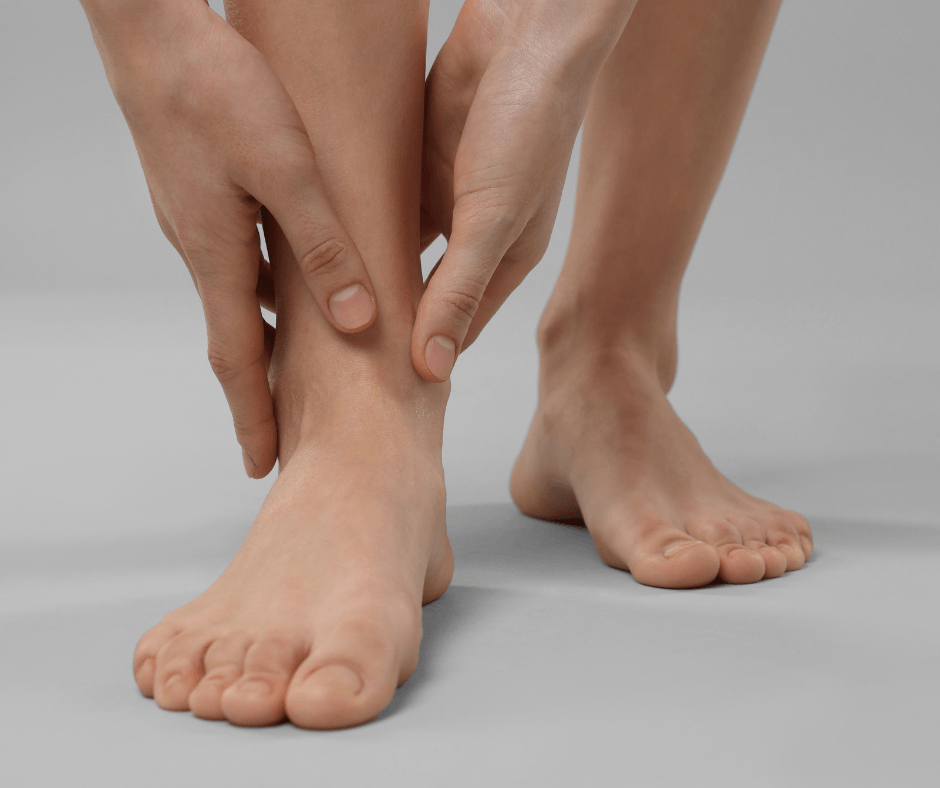
Why Does Only One Foot Hurt?
You wear the same shoes on both feet. You walk the same distance and stand on the same floor. So why does only one foot hurt while the other feels fine?
It may seem strange, but your feet aren’t perfect mirror images. Differences in how they move, support your weight, or recover from injuries can help explain why only one foot hurts.
At Advanced Foot Care of NJ, we help patients understand what one-sided foot pain may be telling them.
Can One Foot Have Different Mechanics Than the Other?
Absolutely. One arch may be higher, one ankle may be less flexible, or you may put more weight on one leg without noticing. Over time, those differences can place extra stress on your heel, arch, or other parts of your foot.
Take a look at the soles of your everyday shoes. Does one wear down faster or in a different spot? Uneven wear can offer clues about how you walk, although it can’t tell you what’s causing the pain.
Could an Old Ankle Injury Be Causing the Pain?
Remember that ankle you twisted last year? Even after the swelling goes away, a sprain can leave you with weakness, stiffness, or a feeling that your ankle might give out.
You may also change the way you walk to avoid discomfort, sometimes without realizing it. That can put extra strain on other parts of the foot.
Not all ankle sprains are alike. Our article on ankle sprain grades explores why severity matters. A mild injury may heal differently from a serious ligament tear, which is why we ask about past injuries when evaluating foot pain.
When Is Pain in One Foot More Serious?
Uneven foot mechanics aren’t the only explanation. Sometimes the problem is an injury, such as a stress fracture, or another condition affecting just one foot.
Pay attention to these signs:
- Pain in one specific spot: Especially tenderness directly over a bone.
- Swelling: One area looks noticeably puffier than the other foot.
- Pain that increases with activity: Walking or exercise makes it progressively worse.
- Trouble putting weight on your foot: You’re limping or avoiding normal steps.
A stress fracture may develop gradually, so don’t assume you would remember a particular injury. Sudden severe pain, significant swelling, or an inability to bear weight needs prompt medical attention.
What Can Help When Only One Foot Hurts?
The right treatment depends on what is causing the pain. At our Woodland Park office, we can examine your feet, assess how you walk, and determine whether imaging would be helpful.
Depending on the findings, care may include:
- Strengthening and balance exercises to address lingering ankle weakness.
- Activity changes or temporary protection to give an injured area time to recover.
- Supportive footwear to reduce irritation and improve comfort.
- Custom orthotics to help redistribute pressure when foot mechanics are part of the problem.
Custom orthotics are made for your individual needs, but they aren’t the answer to every type of foot pain. A fracture, nerve problem, or significant ligament injury may require a different approach.
When Should You See a Podiatrist for One-Sided Foot Pain?
If the same foot keeps hurting, the pain is getting worse, or you’re changing how you walk to avoid it, it’s worth finding out why.
Your feet work together, but they don’t always experience the same stresses. Understanding the cause is the first step toward getting comfortable again.
At Advanced Foot Care of NJ, LLC, our doctor and staff proudly serve the communities of Little Falls, Cedar Grove, Verona, Stoney Road, Sandy Hill, Albion Place, and Great Notch. Contact us today to schedule an appointment!