
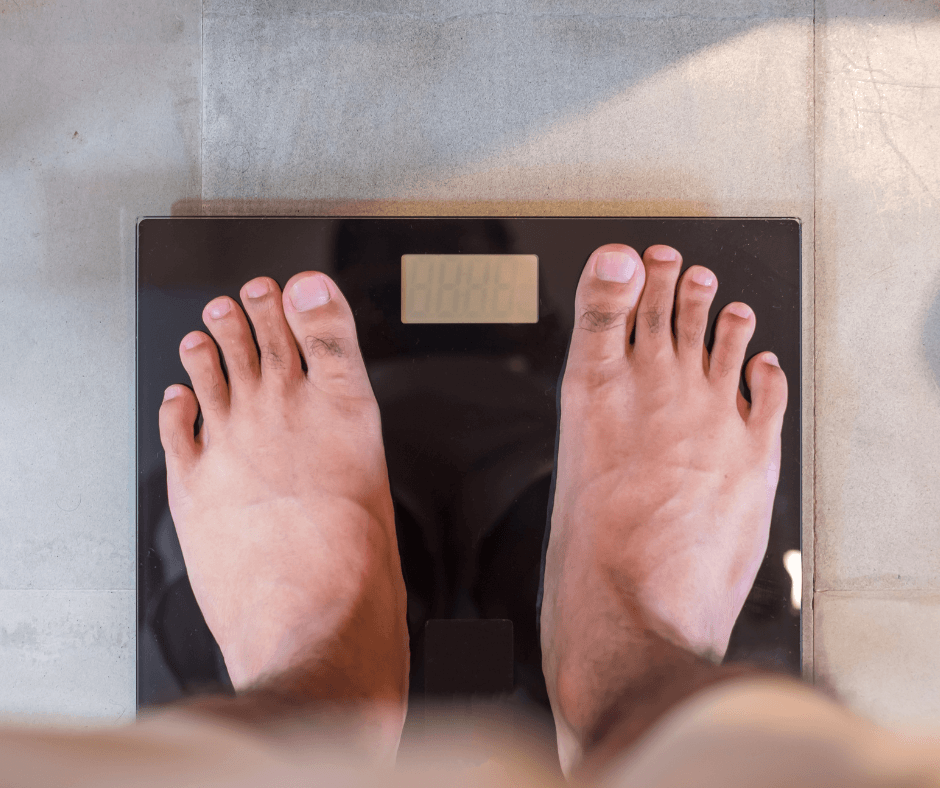
Why Rapid Weight Loss Causes Ozempic Foot and Heel Pain
The scale is moving down. Your clothes fit better. Your energy levels are rising. The GLP-1 weight loss revolution is helping millions of people reclaim their health.
But as the pounds drop, a surprising and highly frustrating side effect is driving patients into our clinic. They sit in the exam chair and ask a very specific question:
Why do my feet hurt more now than they did before I lost the weight?
At Advanced Foot Care of NJ, we help patients navigate this. Known medically as Fat Pad Atrophy, this condition is rapidly becoming known as the Ozempic Foot effect. Here is exactly why your foundation is aching and how we can restore your comfort.
The Disappearing Shock Absorbers
It seems entirely counterintuitive. Less body weight should mean less pressure on your joints. Yet while losing weight absolutely helps your knees and hips, rapid weight loss creates a unique mechanical failure in your feet.
- Nature equipped your feet with built-in suspension. You have thick, specialized layers of adipose tissue (fat) located directly under your heel bone and beneath the ball of your foot.
- These fat pads absorb the massive impact of walking and protect your delicate bones and nerves from striking the hard ground.
- When you lose a significant amount of weight quickly, your body burns fat indiscriminately. It does not know that you want to keep the protective cushion on the bottom of your feet!
As these fat pads shrink and deflate, you lose your biological barrier. Suddenly, walking barefoot on tile or hardwood floors feels painful. Patients frequently describe the sensation as walking directly on their skeleton or stepping on a marble.
The Shoe Slop Hazard
The loss of fat padding is only half the problem. When you lose thirty or forty pounds, the actual physical volume of your foot shrinks. You lose width and instep height.
- If you are still wearing the exact same sneakers or dress shoes from before your weight loss journey, those shoes are now dangerously loose. Your foot slides around inside the shoe with every step.
- This intense friction causes severe blisters, raw calluses, and forces your toes to grip the sole aggressively just to keep your balance.
- This repetitive clawing motion leads directly to tendon strain and painful hammertoes.
How We Fix Fat Pad Atrophy
You should absolutely celebrate your health journey, and you should never have to accept foot pain as a permanent trade-off. We can replace your lost shock absorption and get you back to an active lifestyle.
The first step is a professional footwear audit. You must be measured for new shoes that properly secure your current, narrower foot shape.
Once your shoes fit securely, Dr. Joshi will likely recommend Custom Orthotics.
- We design these prescription medical devices to do exactly what your natural fat pad used to do.
- By utilizing specialized, soft top covers, custom orthotics provide profound, targeted cushioning exactly where your bones need it most.
- Furthermore, they firmly support your arch, preventing the mechanical collapse that leads to severe heel pain.
Do Not Let Foot Pain Stop Your Progress
You have worked incredibly hard to improve your health. Do not let the Ozempic Foot effect bench you from your new active lifestyle. Contact Advanced Foot Care of NJ today to schedule a comprehensive biomechanical evaluation with Dr. Anant Joshi!
At Advanced Foot Care of NJ, LLC, our doctor and staff proudly serve the communities of Little Falls, Cedar Grove, Verona, Stoney Road, Sandy Hill, Albion Place, and Great Notch. Contact us today to schedule an appointment!


