What To Know If You’ve Got Cold Toes
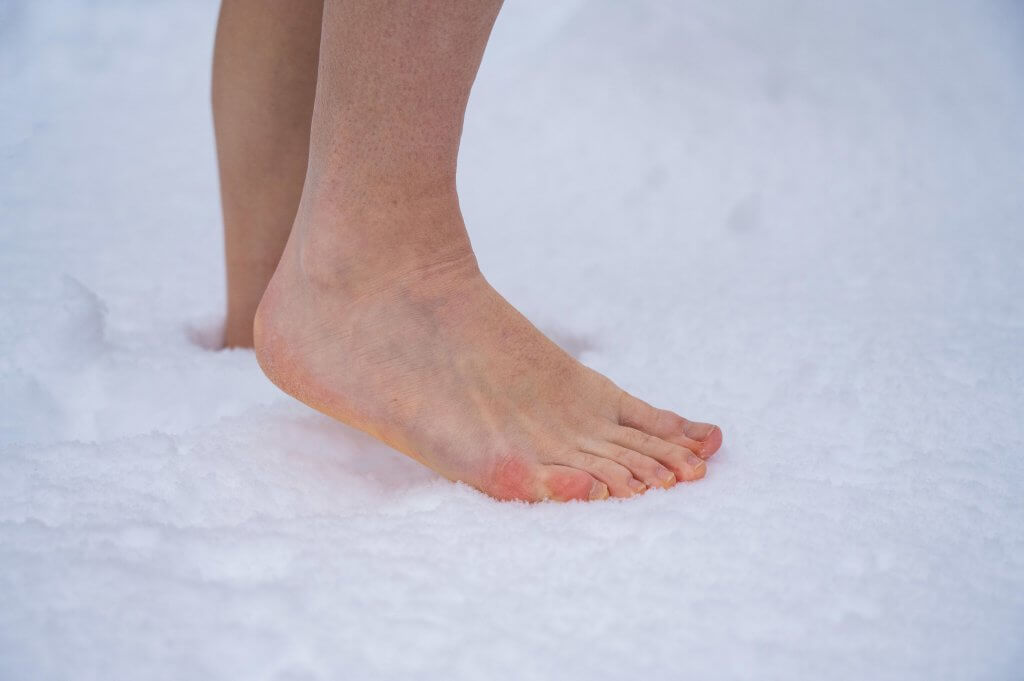
“Got cold feet?”
No, we’re not talking about the expression; we’re being literal!
More specifically, we’re wondering if your toes are persistently cold. If they are, it can sometimes signal a serious underlying health issue. Below, Advanced Foot Care of New Jersey will explain the signs, risks, and how to take action when something is amiss.
Two Common Culprits
While several things can cause cold toes, two conditions stand out as frequent offenders:
- Peripheral Arterial Disease (PAD): A Circulation Concern
- What it is: PAD involves poor circulation, usually due to narrowed or clogged arteries, reducing blood flow to your extremities.
- Who’s at Risk: Typically occurs as we get older. People with diabetes must be particularly aware, as they are at higher risk.
- The Danger: If blood flow to the toes isn’t sufficient for an extended period, it can lead to tissue damage, non-healing sores, and, in severe cases, the devastating consequence of amputation.
- Raynaud’s Phenomenon: A Vasospastic Response
- What it is: This condition involves spasms in small blood vessels, usually triggered by cold temperatures or stress, temporarily restricting blood flow.
- Symptoms: Primarily affects fingertips and toes. Besides feeling cold, the affected digits might turn white or purple/blue. Numbness or tingling can occur. In some cases, painful sores can develop at the tips of the toes.
- Who’s at Risk: Raynaud’s can affect people of all ages, sometimes starting as early as the teen years.
3 Steps In the Right Direction
- Keep Your Toes Consistently Warm. This is crucial, especially if you suspect Raynaud’s. Even very short exposure to cold can trigger symptoms or worsen existing circulatory issues. Wear warm socks and appropriate footwear.
- Get Evaluated by a Podiatrist. If you’re concerned about cold toes, schedule an appointment. We can assess your symptoms and medical history while performing necessary tests.
- Seek Noninvasive Testing. Often, a simple, painless, noninvasive test (covered by most insurance) can help us evaluate your blood flow and check for PAD. Identifying a clogged artery early is critical.
Persistently cold toes don’t have to worry you. A little early action will give you clarity and help you find relief, so don’t kick this problem down the road! Come see us instead.
At Advanced Foot Care of NJ, LLC, our doctor and staff look forward to resolving all of your family’s podiatric healthcare needs. We proudly serve the communities of Little Falls, Cedar Grove, Verona, Stoney Road, Sandy Hill, Albion Place, and Great Notch. Contact us today to schedule an appointment!