The Myth of the Useless Pinky Toe: Why Your Smallest Digit is a Biomechanical Powerhouse
It is the ultimate victim of the midnight coffee table stub and the punchline of endless foot jokes. For most of us, the fifth digit—your pinky toe—feels like nothing more than an accident-prone radar for finding furniture in the dark.
Search engines are constantly flooded with questions like, “What is the purpose of the pinky toe?” and “Are humans evolving to lose their fifth toe?”
It is easy to assume this tiny digit is just an evolutionary afterthought. But from a podiatric and biomechanical standpoint, your pinky toe is far from useless. It is a critical anchor for your entire body weight. In this blog, Advanced Foot Care of NJ explains the truth about your smallest toe, its role in your balance, and why ignoring it can throw off your entire kinetic chain.
Are We Evolving Past the Pinky Toe?
There is a persistent urban legend that humans will eventually evolve to have only four toes. The logic seems sound: our primate ancestors needed long, prehensile outer toes to grasp branches. Since we now walk upright on flat ground, the fifth toe has shrunk over millions of years.
- However, a shrinking toe is not a disappearing toe; it is a specialized one. The pinky toe hasn’t retired; it simply changed careers!
- Instead of grasping, its modern evolutionary purpose is weight distribution and lateral propulsion.
The Biomechanics of the “Foot Tripod”
To understand the pinky toe, you must understand how human balance actually works.
Your foot does not bear weight evenly across its entire surface. Instead, it operates on a “tripod” system of biomechanical balance. When you stand, walk, or run, your body weight is distributed across three primary anchor points:
- The Heel Bone (Calcaneus)
- The Base of the Big Toe (First Metatarsal)
- The Base of the Pinky Toe (Fifth Metatarsal)
Take away the pinky toe, and that tripod collapses. While the big toe handles the heavy lifting of forward propulsion (pushing you ahead), the pinky toe manages lateral stability. Every time you pivot, sidestep, or shift your weight on uneven ground, the outer edge of your foot relies on the fifth digit to keep your ankle from rolling outward.
When the Anchor Takes a Beating
Because the pinky toe is responsible for stopping your outward momentum, it absorbs a massive amount of lateral force. Unfortunately, modern footwear is rarely designed to accommodate this. When tight, pointed shoes compress this biomechanical anchor, a cascade of foot health issues begins:
- Tailor’s Bunions (Bunionettes): The constant outward pressure against a narrow shoe causes the fifth metatarsal bone to painfully protrude, creating a bony lump on the outside of the foot.
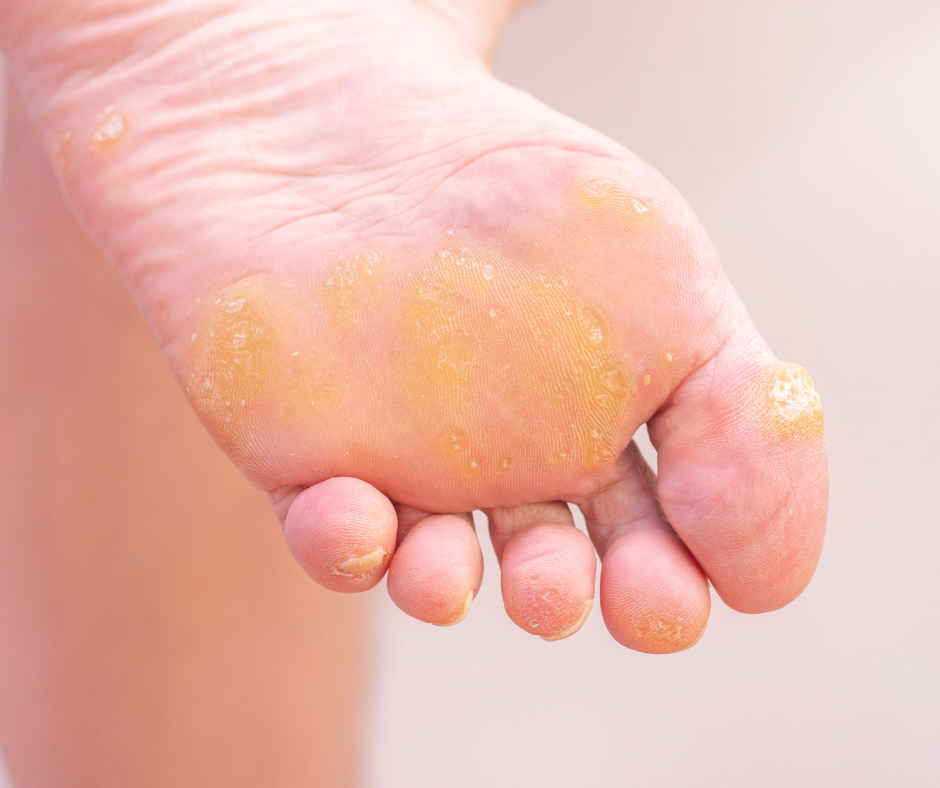
- Hard Corns: As the toe is crushed against the side of the shoe or the adjacent fourth toe, the skin hyperkeratinizes, forming deep, painful cores of dead skin.
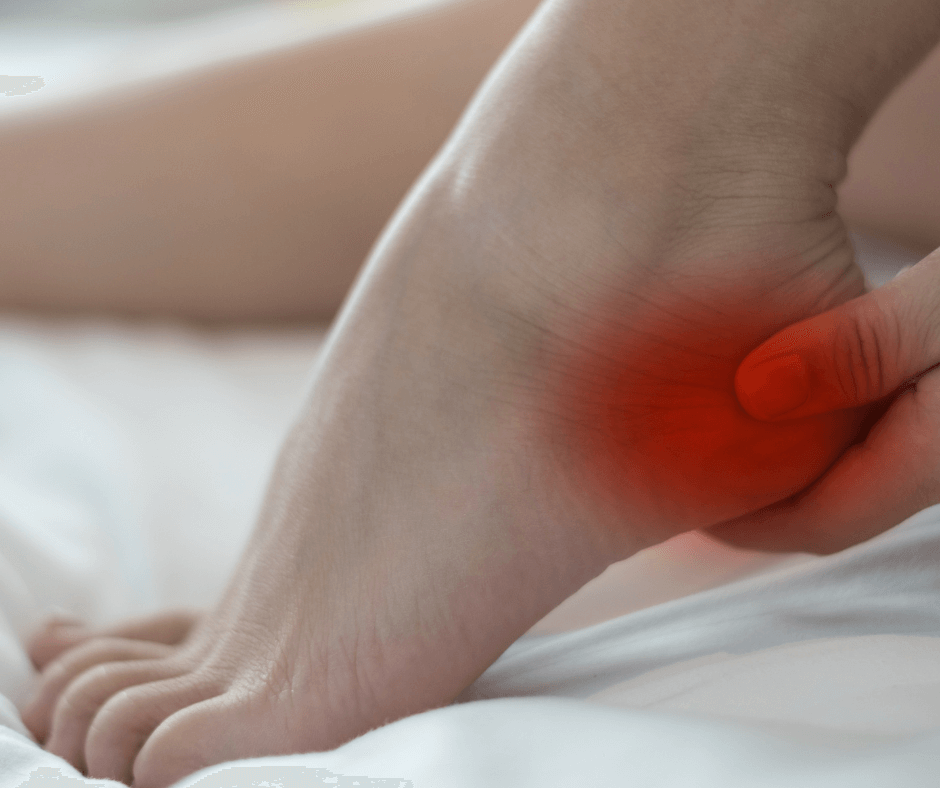
- Gait Alterations: When the pinky toe hurts, you subconsciously shift your weight inward to avoid the pain. This unnatural gait drastically increases your risk of knee pain, hip misalignment, and plantar fasciitis.
The Podiatry Connection: Protecting the Fifth Digit
A healthy kinetic chain starts from the ground up, and every link matters. If you are experiencing pain on the outer edge of your foot, developing a tailor’s bunion, or dealing with chronic corns, your body’s tripod is out of alignment.
- A podiatrist doesn’t just treat the symptoms; they address the structural mechanics. Through custom-molded orthotics, we can redistribute the weight across your foot’s tripod, taking the crushing pressure off your pinky toe and restoring your lateral balance.
Stop treating your smallest toe like an evolutionary leftover. Give it the structural support it needs, and it will keep you grounded for a lifetime.
At Advanced Foot Care of NJ, LLC, our doctor and staff proudly serve the communities of Little Falls, Cedar Grove, Verona, Stoney Road, Sandy Hill, Albion Place, and Great Notch. Contact us today to schedule an appointment!